 ქართული
 English

Wood Tones in Interior Design – How to Choose and Combine Different Types of Wood
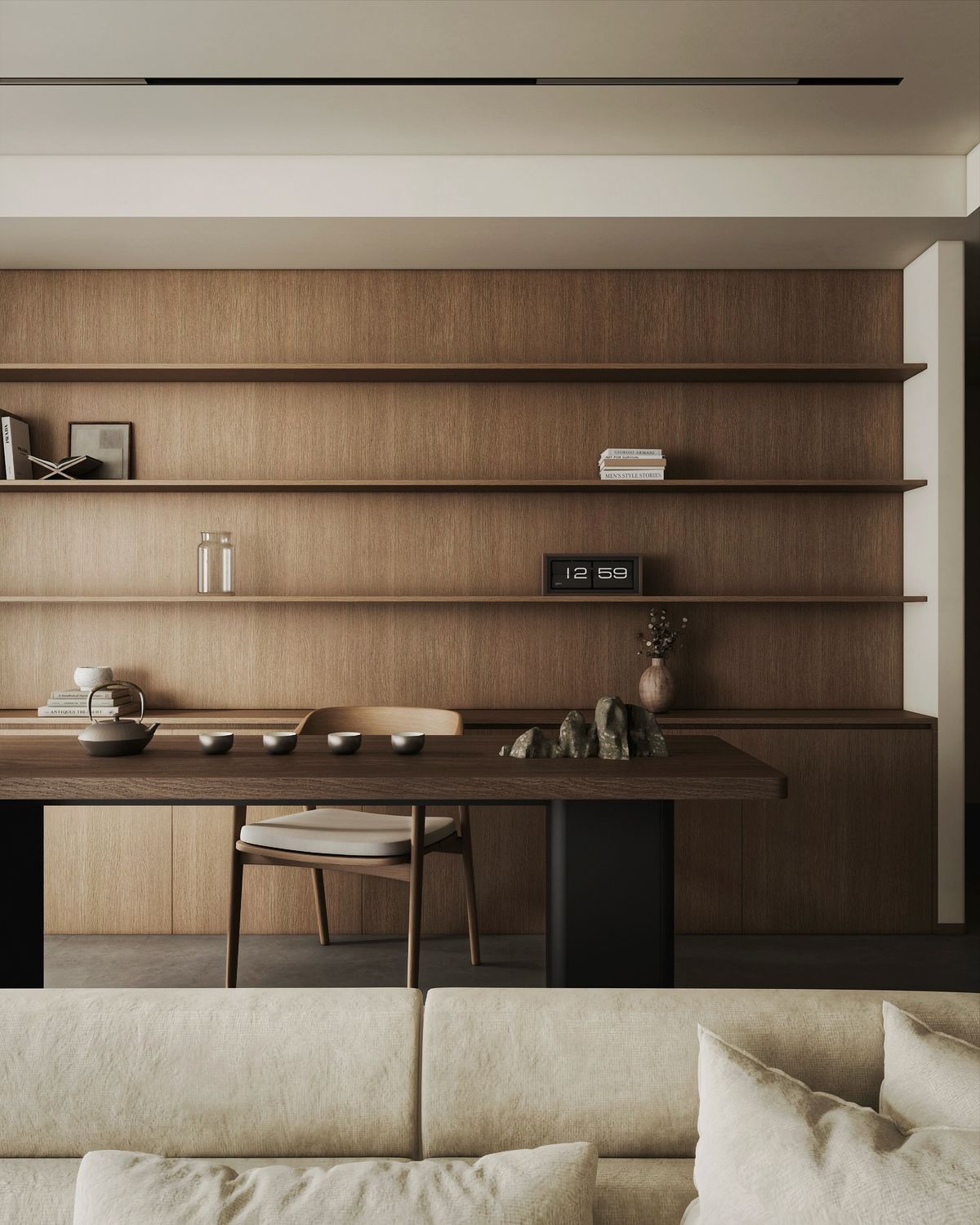
Wood is one of the most important and versatile materials in interior design. Its natural texture, variety of tones, and visual warmth give a space a distinctive character. However, working with wood involves more than simply choosing a preferred color or texture. It is equally important to select the right wood tones and combine different types of wood harmoniously.
In contemporary interiors, it is not necessary for all wooden surfaces to have the same color. On the contrary, combining different tones and textures adds depth, dimension, and individuality to a space. The key is to maintain a visual connection between materials and consider several important principles when selecting them.
1. Understanding Wood Undertones
When choosing wood tones, it is important to identify their undertones. At first glance, two wooden surfaces may appear similar in color, yet have different undertones that significantly affect how well they work together.
Wood tones can generally be classified into three categories: warm tones, featuring golden, yellowish, or reddish hues; cool tones, characterized by greyish and more muted shades; and neutral tones, which have a balanced appearance.
When combining different types of wood, it is preferable to choose materials with similar undertones. For example, warm-toned oak and warm brown walnut can complement each other harmoniously despite their color differences. It is this consistency in undertones that creates a visual connection between different surfaces.
2. Combining Wood Textures
Along with color, the natural grain and texture of wood are equally important. Some wood species feature prominent grain patterns and distinctive textures, while others have a smoother and more subtle appearance.
If one surface has a pronounced grain pattern, the other can be relatively understated. This approach helps maintain visual balance and allows the natural character of each material to stand out. Using too many contrasting and prominent textures at once, however, may make the space feel visually overwhelming.
3. The Influence of Lighting on Wood Tones
The way wood colors are perceived depends greatly on lighting. Natural light and the color temperature of artificial lighting both influence the final appearance of a material. Warm lighting can enhance the golden and yellowish undertones of wood, while cool lighting may make the surface appear more grey.
For this reason, it is advisable to test material samples directly in the intended space and observe how they look under different lighting conditions before making a final selection.
Ultimately, choosing the right wood tones is about more than matching colors. It requires considering undertones, textures, and lighting together to bring different types of wood into a unified and harmonious composition. It is this thoughtful combination of details that creates a balanced interior with natural warmth, depth, and individuality.