 ქართული
 English

Porcelain Stoneware in Interior: A Mix of Versatility and Elegance
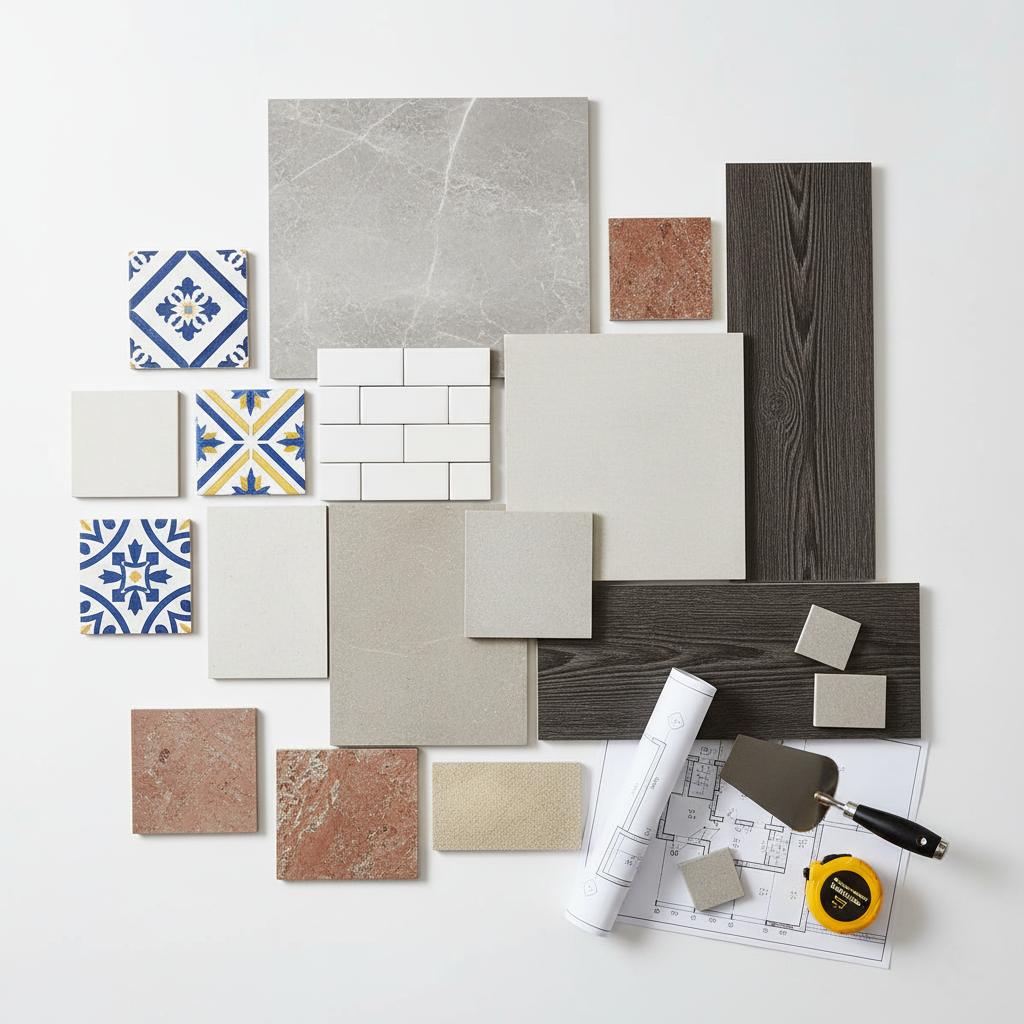
Porcelain stoneware is one of the most popular and multifunctional materials today. Its unique properties and aesthetic possibilities allow us to create an interior that is both durable and refined.
Porcelain Stoneware in Interior Design: A Blend of Versatility and Elegance
Formats and Their Use
Porcelain stoneware is produced in a wide variety of sizes. The classic formats (30x30, 40x40 cm) are ideal for relatively small spaces, such as bathrooms and kitchens.
The medium format (60x60 cm) is universal and works perfectly both in living rooms and in commercial or public spaces.
Large-format tiles (120x60, 120x120 cm and larger) visually expand the space and minimize joints. They are often used in living rooms, open-plan areas, and contemporary interiors.
Surface Types
Matte surface — elegant, practical, and safe. It is non-slip, making it an excellent choice for bathrooms and kitchens.
Glossy surface — visually expands the space but requires more maintenance. Recommended mainly for walls.
Textured surface — imitation of stone, wood, or concrete adds character, natural warmth, and depth to the interior.
Advantages
- Exceptional strength and durability
- Water resistance and hygiene
- Easy maintenance
- Wide range of colors and textures
- A price range suitable for different budgets
Disadvantages
- The surface can feel cold (ideal when combined with underfloor heating)
- Installation requires professional workmanship
- Transporting and handling large-format tiles can be more complex
Conclusion
Porcelain stoneware is an investment that provides durability, aesthetics, and practicality for many years. By choosing the right format, color, and texture, it is possible to transform any interior into a modern, elegant, and functional space.