 ქართული
 English

Bamboo Panels in Interior Design
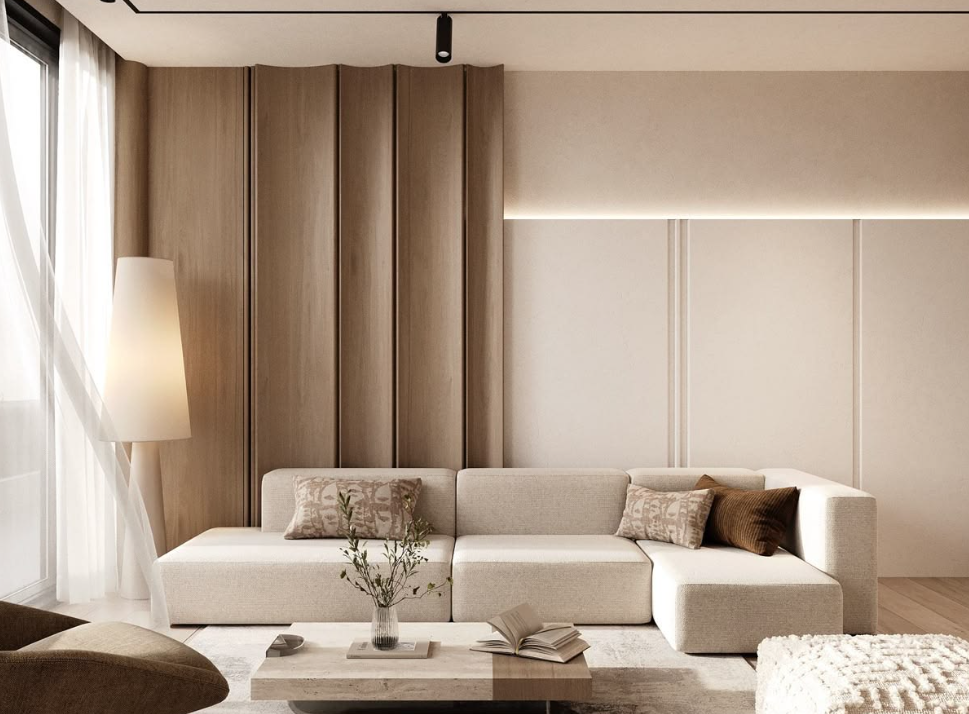
The use of natural materials in contemporary interior design is becoming increasingly popular. Wood textures, warm colors, and distinctive finishes bring a sense of comfort and individuality to a space. Bamboo panels are part of this trend, offering decorative versatility and a natural appearance that makes them an interesting feature in modern interiors.
1. Where Are Bamboo Panels Used?
Bamboo panels are often used to create accent walls. In living rooms, they can be installed behind the TV or in the area behind the sofa, while in bedrooms, they can be placed behind the bed, adding visual depth and a natural touch to the interior. Also, panels are an interesting solution for hallways, hotels, offices, and commercial spaces. Their texture looks particularly effective when combined with well-planned lighting, which highlights the surface's relief and distinctive patterns.
2. Advantages of Bamboo Panels
One of the main advantages of bamboo panels is their visual versatility. They introduce a natural accent into an interior and pair well with wood, stone, microcement, and neutral color palettes. Beyond their aesthetic appeal, their practical characteristics are also important. The durability, moisture resistance, and maintenance requirements of bamboo panels depend on their composition and surface treatment.
3. What Should You Consider When Choosing Bamboo Panels?
When selecting bamboo panels, it is essential to consider their intended use, installation method, and the manufacturer's recommendations. Moisture resistance is particularly important if the panels are intended for use in kitchens or bathrooms.
Bamboo panels offer an opportunity to combine natural textures with refined design in contemporary interiors. When carefully selected, they give a space a distinctive character and enhance the overall interior design concept.