 ქართული
 English

Living Without Stress Starts from Space: The Role of Interior Design in Well-being
Living Without Stress Starts from Space: The Role of Interior Design in Well-being
Today, as daily life moves at a fast and exhausting pace, the home is no longer just a place to live — it has become an environment that directly affects our emotional state. A thoughtfully designed and arranged interior can play a significant role in reducing stress and achieving inner peace.
One of the most common factors influencing our psyche is color. Colors have a strong impact on our mood. Calm and natural tones — such as beige, light gray, or pastel green — create a sense of tranquility and reduce feelings of tension. In contrast, bright and aggressive colors tend to increase stimulation, which is often associated with stress. That is why it is important to choose colors carefully when planning a living space.
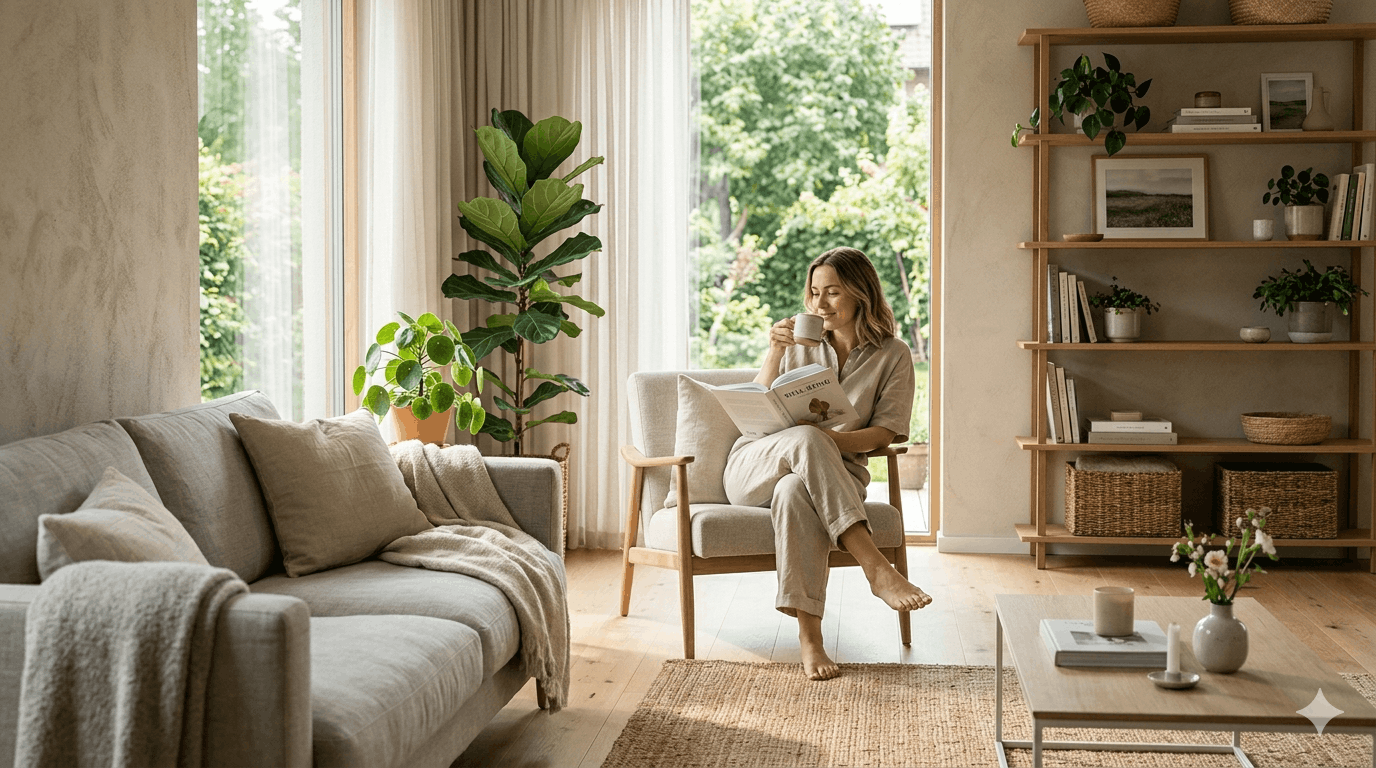
Another important aspect is lighting. Natural light has a positive effect on our mood and energy levels. Large windows, light curtains, and open spaces create a feeling of cleanliness and freedom. As for artificial lighting, it is better to use warm-toned lights, as they make the environment feel more cozy and relaxing.
Proper organization of space also plays a crucial role. Clutter and excessive objects subconsciously weigh on our minds and increase stress levels. Minimalism — fewer but practical and necessary items — helps maintain mental clarity and improves concentration. Every item should have its own place and function.
It is also important to create a so-called “personal corner” — a space where you can relax, read, or simply unwind. This can be a small armchair by the window, a plant-filled corner, or a comfortable workspace. Such a space creates a sense of comfort and control, which is essential for mental well-being.
Ultimately, every detail in interior design should contribute to improving our daily lives. Proper space planning is directly connected to how calm, focused, and happy we feel.