 ქართული
 English

Functional Planning: Why Proper Space Distribution Is the Most Important Part of Interior Design
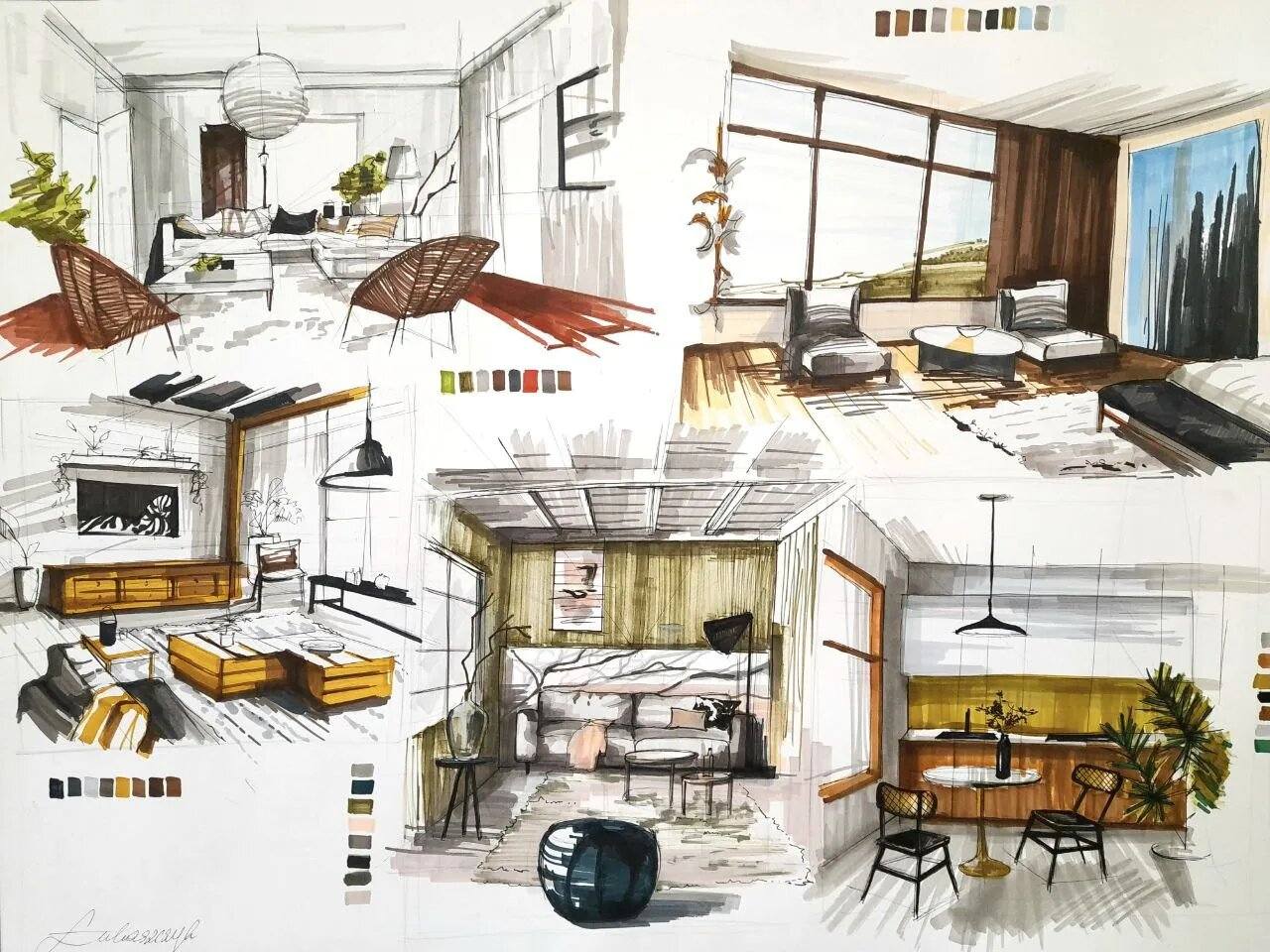
In modern interior design, a significant amount of attention is often given to colors, materials, and decor. However, the most important foundation that everything relies on is proper space planning. An interior may look visually appealing, but if it is not practical for everyday living, its overall value is greatly diminished.
Functional planning involves organizing a space in a way that best suits a person’s needs and lifestyle. This is the stage where it is determined how comfortable the environment will be for daily life. Poor space planning leads to chaos, inefficient movement, and often additional expenses when correcting existing mistakes.
One of the most common issues is neglecting the importance of zoning. If a space is not properly divided into functional areas, such as relaxation and work zones, the interior loses its logic. This problem is especially relevant in small apartments, where every square meter must be used as efficiently as possible.
Another frequent mistake is неправильный выбор и размещение мебели. Large furniture in a small space, or small furniture in a large room, disrupts balance and reduces functionality. It is important to consider not only aesthetics but also freedom of movement and overall comfort.
Good planning begins with analysis — understanding how a person lives, what they need on a daily basis, and how they use the space. Based on this, the location, size, and purpose of each zone should be defined. An interior created with this approach will never feel uncomfortable.
Ultimately, functional planning is the invisible foundation that determines the success of an interior. A design that starts with proper space distribution is always more durable over time, more comfortable to use, and requires fewer changes. Therefore, if you want a space that not only looks good but also truly simplifies everyday life, planning should be your top priority.