 ქართული
 English

The Role of Sockets and Switches in Interior Design
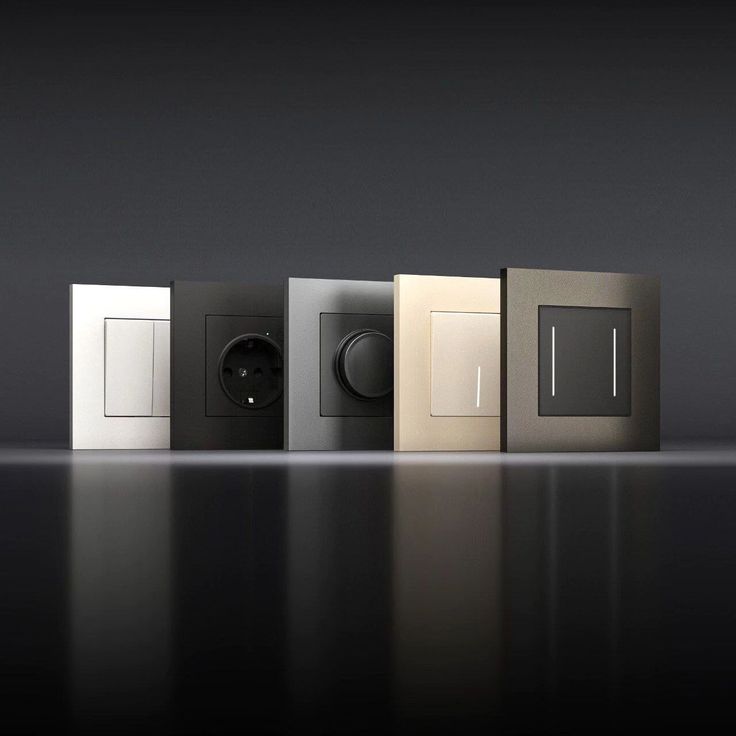
When discussing interior design, most people think about furniture and color schemes. However, there is one “hidden” element that defines the level of comfort and aesthetics in a home — sockets and switches. For beginners, these elements may seem like mere necessities, but for experienced designers, they are both a “functional vector” and often a “decorative accent.”
Placement Strategy: Where and How Many?
The most common mistake people make is relying on “standard points.” Sockets should adapt to your lifestyle — not the other way around.
Bedroom: Sockets should be installed above the bedside table, approximately 10–15 cm above it. It is recommended to use combined sockets with USB-A and USB-C ports. Additionally, consider a “Master Switch” near the bed so you don’t have to get up to turn off all the lights.
Kitchen: This area requires as many sockets as possible. Plan at least 2–3 outlet blocks on the work surface. To maintain a minimalist look, use “Pop-up” systems integrated into the island or countertop. Don’t forget to add hidden sockets inside cabinets for charging a cordless vacuum or electric brush.
Living Room: At least 5 outlets are needed in the TV area. Additionally, consider sockets near the sofa for a laptop or a floor lamp.
Brands: Who to Trust?
The market offers three main segments where quality and design are well balanced:
Premium Segment (Jung, Gira, Bticino): The German Jung LS 990 series is a true classic with its geometric design. Gira is known for smart home integration. If you want your switches to resemble pieces of art, the Italian Bticino Living Now is an excellent choice. Materials include metal, glass, and ceramic.
Mid-Range Segment (Schneider Electric, Legrand): This is the golden middle. French brands like Schneider Merten and Legrand Valena Allure are known for their wide color selection and durable mechanisms.
Budget-Friendly but Quality (Viko): A Turkish brand that offers a great solution if your budget is limited but you still want a clean and safe result.
Designer Tip
If you want your sockets to be less noticeable, match them to the wall color. In monochrome interiors, you can use metallic finishes like brass or steel as accents.
Remember, 50% of your home’s comfort is determined by properly planned electrical wiring. Before drilling into walls, visualize your daily routine — this will help you find the ideal placement for each point.